
Currently Empty: ₹0.00
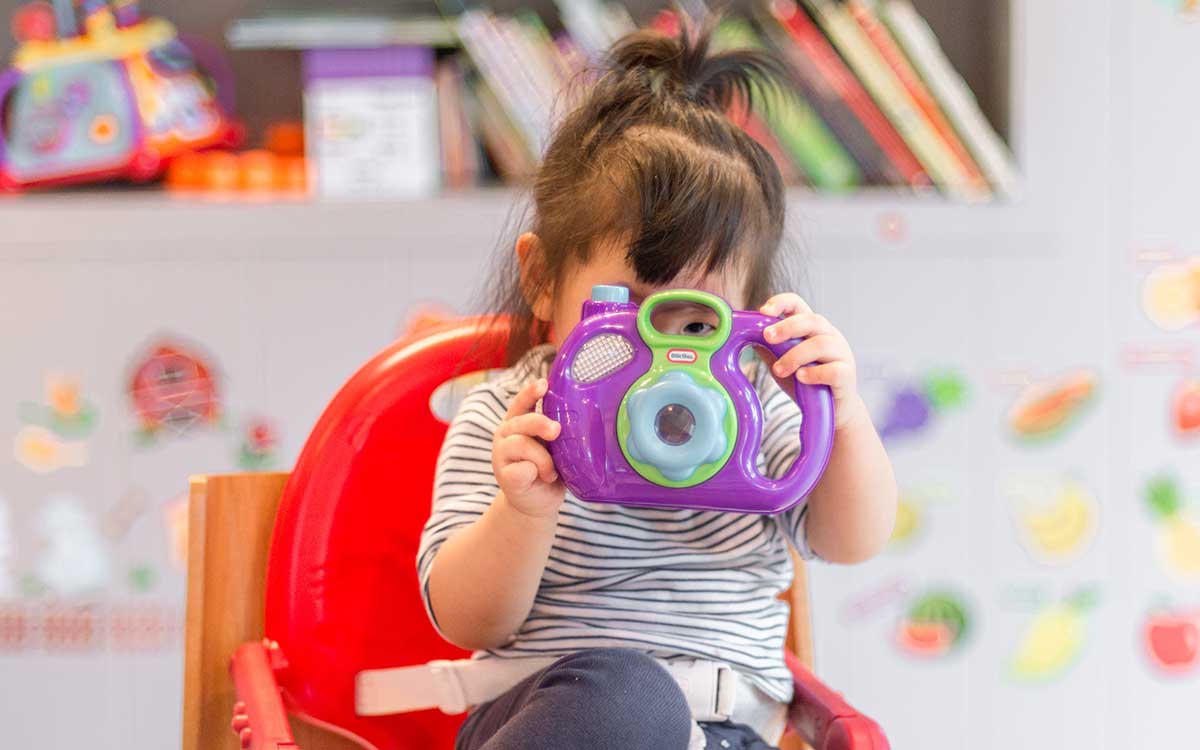
Change is an inevitable part of life, and helping children navigate these transitions is essential for their emotional and psychological development. Whether it’s moving to a new home, starting a new school, or adjusting to a new sibling, children experience various changes that can be both exciting and challenging. At Montessori Masters, we understand the importance of guiding children through these transitions with empathy, patience, and understanding. In this post, we’ll explore effective strategies to help children navigate change, inspired by the Montessori approach.
1. Understand the Nature of Change
Before diving into strategies, it’s essential to understand why change can be challenging for children:
- Loss of Familiarity: Children thrive on routine and predictability. Change disrupts this sense of security, leading to feelings of uncertainty and anxiety.
- Emotional Impact: Change can evoke a range of emotions in children, including fear, sadness, and excitement. These emotions need to be acknowledged and addressed.
- Cognitive Development: Young children are still developing cognitive skills to process and understand change. This makes it crucial for adults to provide guidance and support.
Understanding these factors can help parents and educators approach change with the sensitivity and care it requires.
2. Communicate Openly
Open communication is key to helping children understand and accept change:
- Be Honest: Explain the change in simple, age-appropriate terms. Whether it’s moving to a new house or starting a new school year, honesty builds trust and reassures children.
- Answer Questions: Encourage children to ask questions and express their concerns. Provide clear and reassuring answers to alleviate their anxieties.
- Listen Actively: Pay close attention to what your child is saying. Validate their feelings and let them know it’s okay to feel a certain way about the change.
Example:
If you’re moving to a new home, you might say, “We’re moving to a new house, but all our things will come with us, and we’ll make it a cozy home together.”
3. Maintain a Routine
While change disrupts routines, maintaining some level of consistency can provide a sense of stability:
- Daily Rituals: Keep regular meal times, bedtime routines, and other daily rituals intact as much as possible. This helps children feel secure and grounded during transitions.
- Familiar Activities: Engage in familiar activities, such as reading a favorite book or playing with familiar toys, to provide comfort and reassurance.
Example:
If your child is starting a new school, ensure their morning and bedtime routines remain consistent to offer a sense of familiarity.
4. Encourage Emotional Expression
Encouraging children to express their emotions is vital for their emotional well-being:
- Create a Safe Space: Provide a safe environment for children to express their feelings without judgment. Let them know it’s okay to feel upset, excited, or confused about the change.
- Artistic Expression: Encourage creative outlets such as drawing, painting, or journaling to help children express their emotions.
- Model Healthy Emotional Expression: Demonstrate how to express emotions healthily. Show empathy and share your feelings when appropriate.
Example:
When a sibling is born, allow your child to express feelings of jealousy or sadness. Reassure them that it’s normal to have mixed feelings and that they are loved equally.
5. Involve Children in the Process
Involving children in the change process can empower them and alleviate feelings of helplessness:
- Decision-Making: Allow children to make small decisions related to the change, such as choosing a new room color or selecting a new backpack for school.
- Participate in Planning: Include children in planning for the change, whether it’s packing for a move or preparing for a vacation.
- Offer Choices: Provide options to give children a sense of control. This can be as simple as choosing their outfit for the day or deciding on a family activity.
Example:
If you’re moving, involve your child in packing their toys or decorating their new room to give them a sense of ownership and involvement.
6. Use Montessori Materials to Teach Adaptability
Montessori materials can be a valuable tool in helping children learn about adaptability and resilience:
- Role-Playing: Use Montessori toys and materials to create role-playing scenarios that simulate change, such as moving or starting school.
- Quiet Books: Our handmade Quiet Books can introduce themes of change, such as seasonal transitions or new experiences, through interactive activities.
- Practical Life Activities: Engage children in practical life activities that teach adaptability, such as organizing their belongings or caring for plants and pets.
Example:
Our Montessori-inspired Quiet Books offer pages where children can practice scenarios like packing a suitcase or setting up a new classroom, fostering adaptability through play.
7. Model Resilience and Adaptability
Children learn by observing the adults around them, making it crucial to model resilience and adaptability:
- Stay Calm: Demonstrate a calm and composed demeanor when facing change. Children will pick up on your attitude and learn to approach change positively.
- Problem-Solving: Show how to approach challenges with a solution-oriented mindset. Encourage critical thinking and perseverance in overcoming obstacles.
- Positive Outlook: Emphasize the positive aspects of change, such as new opportunities and learning experiences.
Example:
If you’re starting a new job, talk about the exciting opportunities it presents and how you plan to adapt, showing your child that change can be positive.
8. Provide Reassurance and Support
Lastly, offering continuous reassurance and support is vital to helping children feel secure during change:
- Affection and Love: Provide extra hugs, cuddles, and affirmations to reassure children of your unwavering love and support.
- Stay Present: Be physically and emotionally present during transitions. Spend quality time together to strengthen your bond.
- Celebrate Achievements: Acknowledge and celebrate your child’s milestones and successes in navigating change.
Example:
After your child completes their first day at a new school, praise their bravery and resilience, reinforcing that you are proud of them.
Conclusion
Helping children navigate change is a process that requires patience, empathy, and understanding. By embracing open communication, maintaining routines, encouraging emotional expression, and involving children in the process, you can guide them through transitions with confidence. At Montessori Masters, we believe in nurturing adaptability and resilience in children, preparing them for a world full of exciting possibilities.
Explore our range of Montessori materials and Quiet Books designed to support your child’s journey through change, and join us in creating a brighter future for the next generation.
About Montessori Masters
At Montessori Masters, we craft high-quality Montessori apparatus and Quiet Books using child-safe wooden materials and premium Korean felt. Our handmade products are designed to inspire learning, creativity, and growth in children. Explore our collection and discover the beauty of Montessori education.
Stay Connected
Follow us on Facebook for more tips, updates, and educational resources. Join our community and be part of the Montessori Masters family!



 MM250
MM250